We’re building a new kind of support. Something that helps people become more competent, have more agency, and connect more with others. Because this work matters, we work with people who understand that world deeply and can help us build it well.
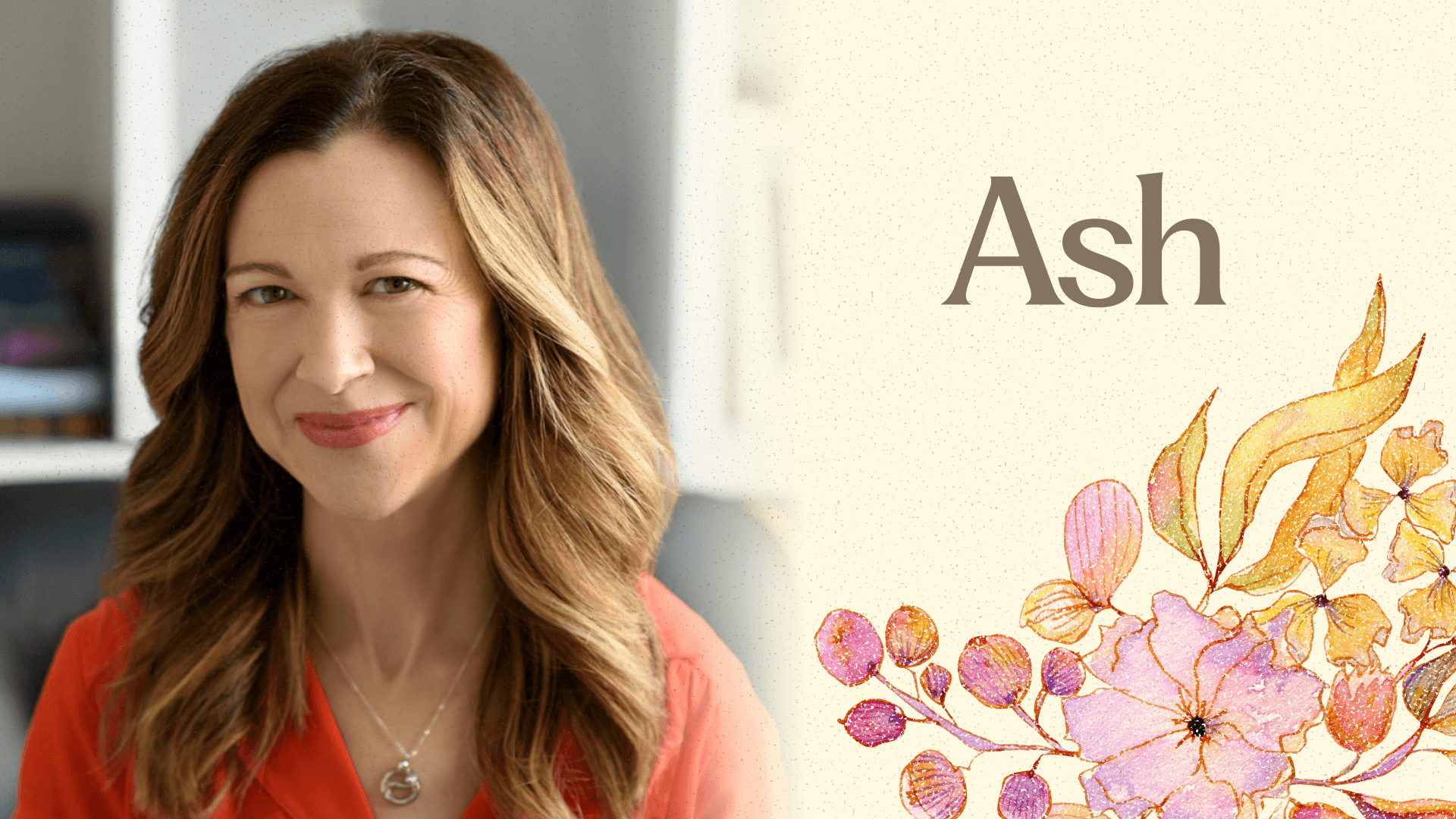
We’re excited to share that we’ve brought on Lori Gottlieb as an advisor to us and our board of directors. Lori is one of the most trusted therapists in the world: she’s a bestselling author (more than two million copies sold), columnist for the New York Times and previously the Atlantic, co-host of popular podcasts “Dear Therapists” and “Since You Asked,” and has one of the most watched TED talks.
We both read Lori’s prominent book Maybe You Should Talk To Someone years back. What stuck with us was how vulnerable, honest, and open she was with her own experience, showing an image of psychotherapy that’s real and human. As she brings us into her clinical practice, she shares her trajectory from sitting in the therapist’s chair for the very first time and feeling woefully unprepared to becoming a therapist with a thriving practice who also seeks therapy herself. It comes across so clearly how much she cares personally about the people she works with, and also how different therapists have different styles in how she contrasts herself and her own therapist in the book.
We met Lori as we were in the early days of building Ash, seeking perspectives from professionals to inform how we build our product and learn from their experiences. We also wanted to know what she thought of AI being used to support people! Naturally, like most people we work with, she was both skeptical at first and excited about its potential to help people, if done in collaboration with those in the field.
“When I saw people using bots like ChatGPT for what they might consider therapy, I had my concerns,,” she told us. “But I also know that many people want to use them. So the question becomes: do we want to help shape this, or leave it to people without the training or experience to do it well.”
Over the last few months, we’ve had quite a few important conversations with Lori that have been impactful to our product development process. We value her depth of insight and her openness to new ways of helping people. She's been trying to help us understand how we communicate what Ash is and where it's at technologically. It’'s obviously not perfect, but it gets better every day, and it's already far better than alternatives. Is it a “therapist”? Probably not. “Emotional concierge?” (Watch this space!)
“The people using Ash are not looking for a diagnosis,” Lori said. “They are looking for a shift. A way to see something differently, and a way to move forward. That is something I help people with all the time, and it is something Ash can help with too.”
We also talked a lot about the limits of general purpose assistant models (like ChatGPT), which aren’t built to help with and support behavioral change. We’ve all had the experience of how these models can tell us we’re “completely right” – even when we know we’re not.
“What drew me to Slingshot was how thoughtful, transparent, and collaborative their approach is,” she said. “They said people are already doing this, so how do we make it safer, more effective, better.”
“The real threat is not that people are using AI for support. It is that therapists might remove themselves from involvement and as a result, we let the wrong people define what this becomes. We should be working together to help build the right things.”
Lori’s work has always lived in that space between therapy and the rest of life. Her book, Maybe You Should Talk To Someone, made therapy feel human and relatable. There's a moment where she tells her therapist, Wendell, about seeking information on her ex through social media—and finding herself re-injured by what she discovered. Wendell lightly kicks her to illustrate the difference between pain (which all of us feel at times) and suffering (which we can unwittingly do to ourselves). It's a small gesture, but it's so him — and so different from how Lori works with her own clients. That variation in personal style, the way different therapists connect with different people, is something we think AI can actually do well — being different things for different people.
Some of the questions we’ve been discussing with Lori alongside our advisory board and our in-house clinical team include: How do we help people who come to us for support but need more than we can give? How do we offer what we can while helping them find the resources they need? How should AI help people whose values are very different from those designing it? How do we assess whether a person is having a positive outcome that translates to tangible improvement in their lives or is becoming dependent on the app? How do we balance warmth and validation with candid observations about a person’s role in their difficulties? How do we balance safety and privacy?
We are proud to be building Ash to help a billion people change, with the best team in the world to build it. We’re excited to welcome Lori to the team.
We’d highly recommend the book, Maybe You Should Talk To Someone, which most of our team has read. Or if you don’t have the time, her TED talk is epic.
Daniel and Neil
